The Price Pipeline

HOW IT WORKS
How we collect, verify, and publish the prices global tree nut markets run on.

FIVE STEPS
Stratamarkets collects market trades, bids, and offers daily, vets them, and uses them to produce weekly price assessments and proprietary indexes for six global tree nut markets.
Daily trades, bids, and offers from across the market.
Cross-checked against other reported prices, with follow-ups to sources to verify details.
Trades, bids, and offers posted to the data portal in real time. Recapped in an end-of-day report.
A documented methodology turns the week's price data into a single weekly price assessment for dozens of items.
The week's Weekly Market Close, High, and Low, delivered in the weekly report and posted to the data portal.
HOW WE SOURCE PRICES
Stratamarkets reporters communicate with companies doing the buying, selling, and trading every day.
Our reporters take prices through phone, email, instant messaging, and other channels. We seek arm's-length transactions in standard commercial quantities, and we don’t publish prices between related or affiliated parties. Companies that report data are kept anonymous unless they ask otherwise.
Prices that can’t be verified don’t get published. Every reported price is vetted before it goes out, and reporters may request counterparty information or a redacted contract to verify a trade.
CONTACT USConfirmed transactions between a buyer and seller.
Buyers' offers to pay at a stated price.
Sellers' offers to sell at a stated price.
WEEKLY ASSESSMENT PRINCIPLES
1.
Repeatability.
Not every trade reflects where the market actually clears. We exclude outlier transactions that no other participant would repeat. What remains is the price the broader market would have accepted.
2.
Normalization.
Price data arrives in many forms: different delivery terms, origins, quality specs, and shipment periods. Before any price enters an assessment, it’s adjusted to a common specification, so every data point is comparable. CIF, FAS, EXW, pasteurized, higher-quality. All converted to the same basis.
3.
Validation.
Every assessment is cross-checked against correlated items and historical price relationships before publication. A senior editor reviews the final numbers. If something doesn’t hold up, it gets flagged. Not published.
4.
Market-on-Close.
Assessments reflect the market-clearing value at the close of the assessment period, based on confirmed trades, bids, and offers collected throughout the week. When prices move in a clear direction, we assess the closing value. When they don’t, we may use a weighted average across the period.
IMPARTIAL BY DESIGN
Our editorial team operates independently from Stratamarkets sales activities. Market Reporters collect trades, bids, and offers from across the market, subscribers and non-subscribers alike, and have no financial interest in the prices they report.
No subscriber or market participant has influence over the prices we publish. Our reporters follow internal standards governing data handling, source confidentiality, and conflicts of interest.
WHEN WE GET IT WRONG
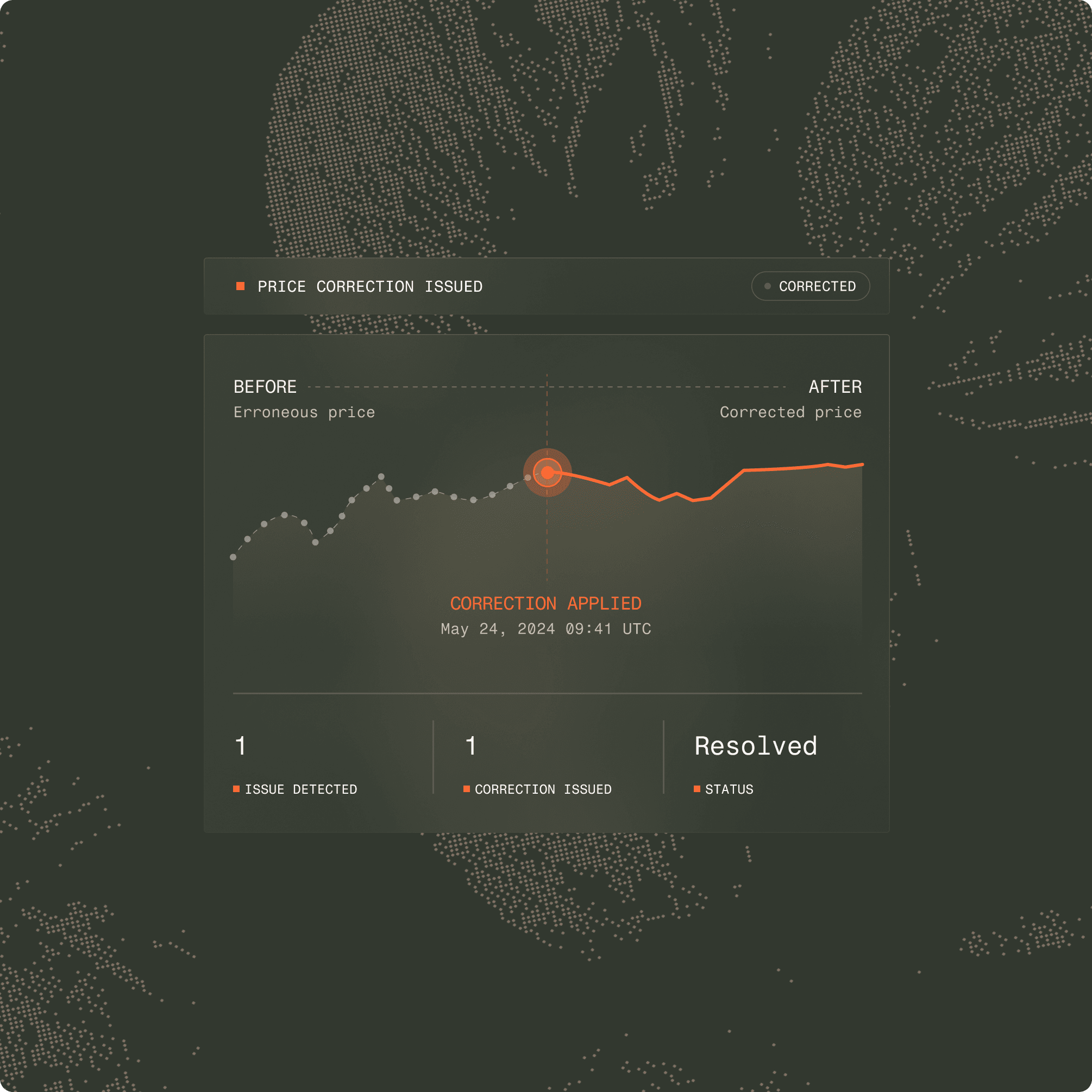
Even careful reporting produces the occasional error. A transposed number, a misheard price over the phone, a source who corrects themselves.
If an error is identified in a published price, we issue a correction and notify subscribers promptly. Our goal is straightforward: if we get something wrong, we say so and fix it.
IOSCO ALIGNED
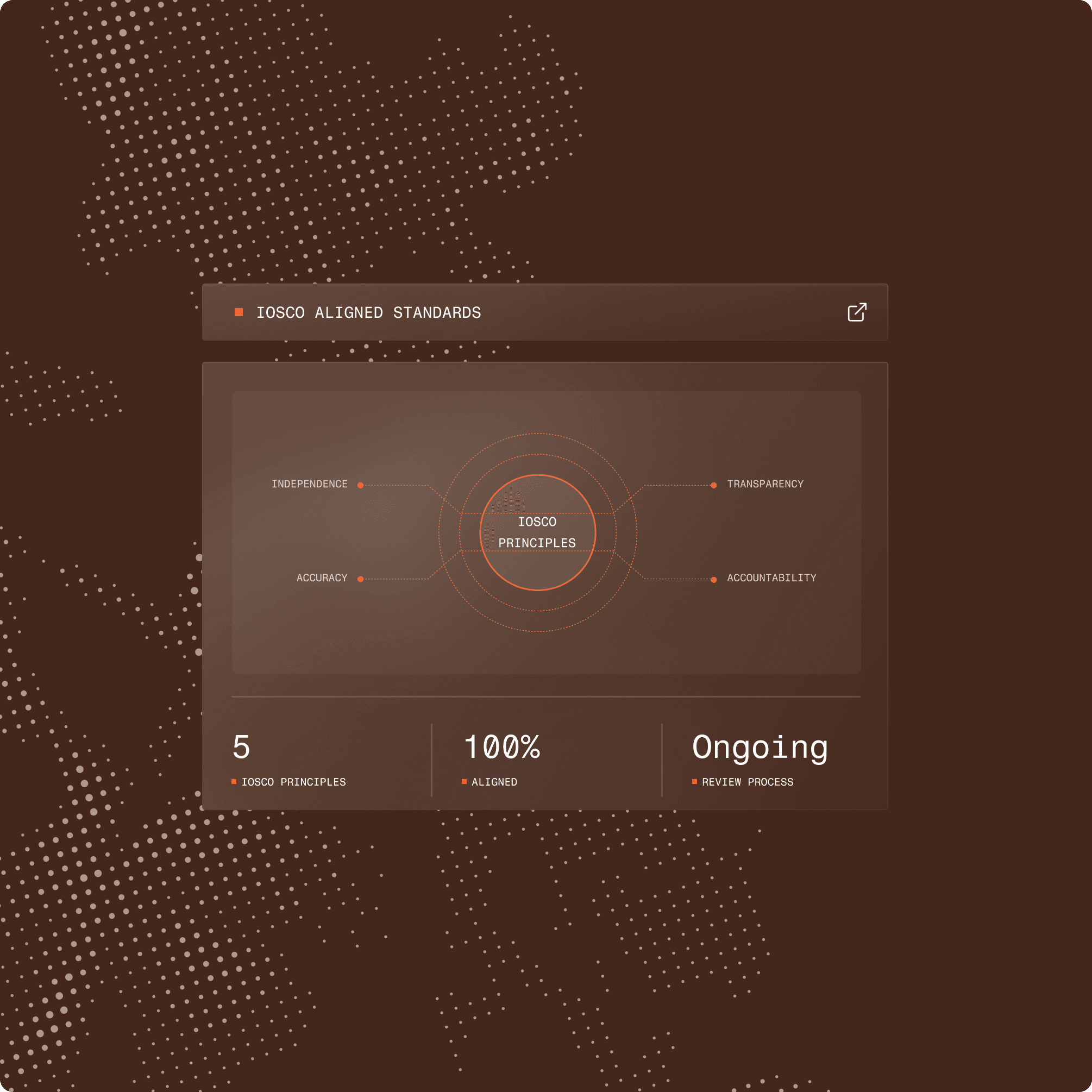
Our price assessment methodology is designed to align with the Principles for Price Reporting Agencies established by the International Organization of Securities Commissions (IOSCO).
We review our methodology frequently and consult with market participants when considering changes to assessment specifications, frequency, or process.

We don’t buy, sell, trade, or broker transactions in any market. We have no financial stake in the prices we assess.
Every assessment follows the same documented methodology, applied consistently across items and origins. We verify every data point we receive. Our assessments are built on real trades, bids, and offers, not estimates or models.
Anyone can contact us to discuss an assessment, review our methodology, or request the source data behind a published price.
We issue corrections promptly when errors are identified, and consult with market participants before changing our methodology.
Contact us at hello@stratamarkets.com for a copy of the full Stratamarkets Methodology & Data Guide